


Blog
Choosing the Right Generator for Home Backup Power

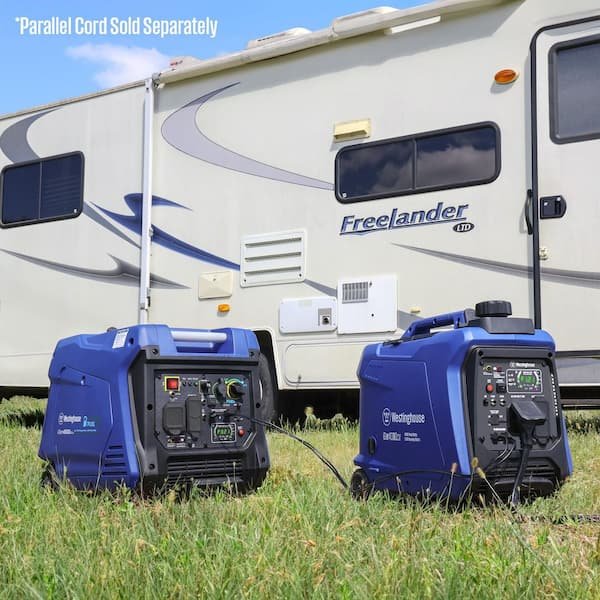
Power outages don’t send a warning. A storm rolls through, a grid fails, or construction crews hit a line, and suddenly the fridge is warming up and the lights are out. A generator turns that scenario from a crisis into a minor inconvenience — but only if you buy the right one. Here’s how to choose.
Know How Much Power You Actually Need
The biggest mistake buyers make is guessing at wattage. Before shopping, add up the running watts of what you want to power during an outage — refrigerator, a few lights, a sump pump, maybe a window AC unit. Most household essentials combined fall somewhere between 3,000 and 7,500 watts, though whole-home coverage can require more.
Two numbers matter on every generator listing:
- Running watts: the continuous power it can supply.
- Starting watts: the short burst needed to get motors (like a fridge compressor) up and running, which is often higher than running watts.
Buying a generator with too little starting wattage is a common letdown — appliances simply won’t kick on, even if the running wattage looks sufficient on paper.
Portable vs. Standby Generators
Portable generators are the most common choice for home backup. They run on gasoline or propane, can be moved where needed, and are significantly cheaper than standby systems. The tradeoff is that you have to manually set them up, fuel them, and run extension cords to what you want powered — not ideal in the middle of a storm at 2 a.m.
Standby generators are permanently installed, connect directly to your home’s electrical panel, and turn on automatically within seconds of an outage. They cost considerably more and typically require professional installation, but for homeowners in areas with frequent outages, the convenience and reliability often justify the investment.
For most first-time buyers, a portable generator offers the best balance of cost and capability.
Fuel Type Matters More Than You’d Think
- Gasoline is the most widely available fuel and generally the cheapest option upfront, but it degrades over time, making long-term storage less practical.
- Propane stores indefinitely and burns cleaner, making it a solid choice for generators that might sit unused for months between outages.
- Dual-fuel models run on either, giving you flexibility if one fuel source is hard to find during a widespread emergency — a real consideration during major storms when gas stations can run dry.
Don’t Overlook Noise and Runtime
Generators run loud — often in the 60–80 decibel range — which matters if you’ll be running one for hours or overnight near your home or a neighbor’s. Inverter generators tend to run quieter and more fuel-efficiently, though usually at a higher price point.
Runtime is just as important. Check how many hours a generator runs on a full tank at 50% load (a realistic average usage level), not just the maximum listed runtime, which is often based on minimal load.
Safety Basics You Shouldn’t Skip
- Never run a generator indoors or in an attached garage — carbon monoxide buildup is a leading cause of generator-related deaths.
- Keep it at least 20 feet from doors, windows, and vents, positioned so exhaust flows away from the home.
- Use a transfer switch if connecting to your home’s electrical system, rather than backfeeding through an outlet, which is dangerous and often illegal without proper equipment.
Buy Before You Need It
Generators sell out fast right before major storms, often at inflated prices from resellers. Buying ahead of the season — and testing your generator before you actually need it — means one less thing to worry about when the power finally does go out.
Browse our generator collection to find the right size and fuel type for your home.
